Written by: Meghana Jayaraj, Kolkata, West Bengal
Edited by: Tahoora Charfare, Yanbu, Saudi Arabia
The Korean Peninsula is known for its diverse climate, which features a range of temperature zones and ample rainfall. This unique environment supports a rich biodiversity, with a total of 18,217 animal species recorded in South Korea. Among these, 246 species are considered endangered, highlighting the importance of conservation efforts. While the number of wild animals may be limited, the country is home to a variety of fascinating species that reflect its ecological diversity. Here is a list of some of these remarkable animals:
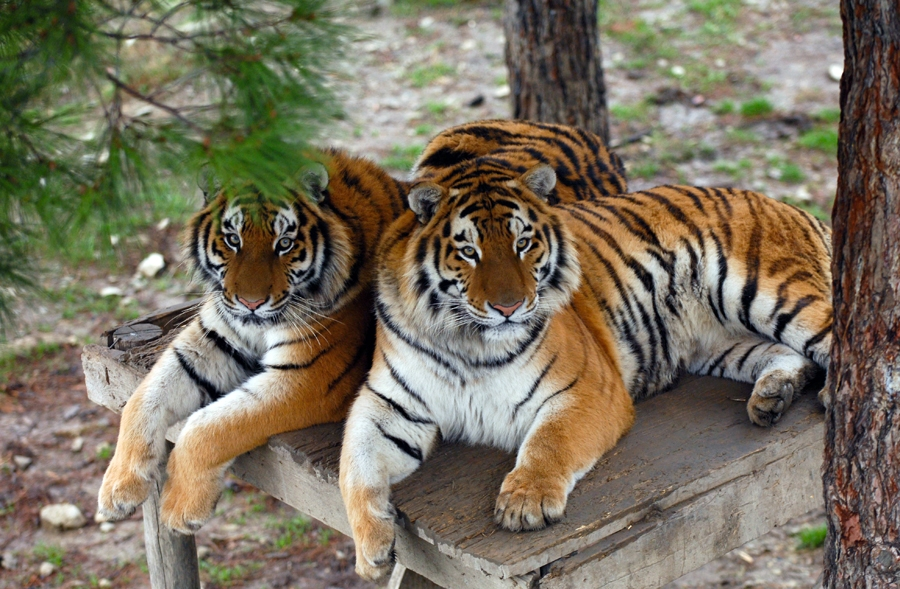
Siberian tiger
The Siberian Tiger (호랑이- horang-i) is South Korea’s national animal and a significant cultural icon. They are the largest cats in the world. The Siberian Tigers once roamed around the forests of South Korea unfortunately, they are now among the endangered species in Korea.
Lynx
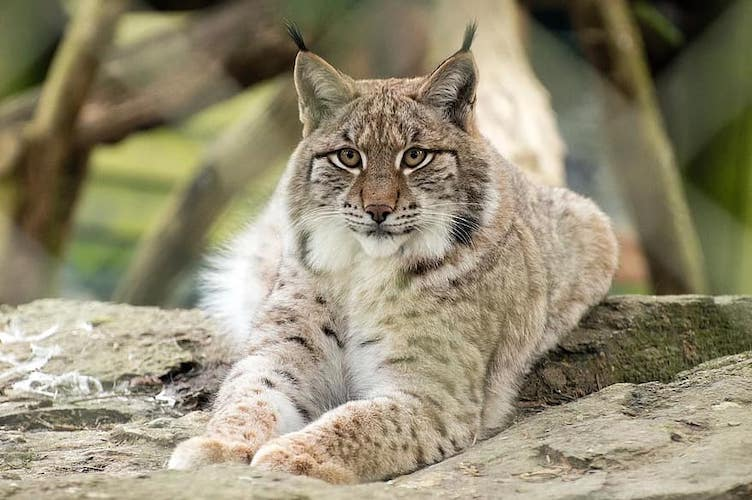
The Lynx (스라소니- seurasoni) is another native cat of South Korea, like a tiger but in a smaller version. This cat has a coat covered with beautiful thick fur. The fur is a barrier against harsh temperatures and keeps them warm during extreme winters.
Picture credits: koreatravelpost
Wild Boar
The Wild Boar (멧돼지- metdwaeji) is a dark coarse furred animal, a type of wild pig which is big and strong. It is fast and can also harm humans. They roam freely in the mountainsides and, sometimes invade into cities and run through the streets in search of food. Wild boars have been spotted in congested locations.

Picture credits: koreatravelpost
Korean magpie
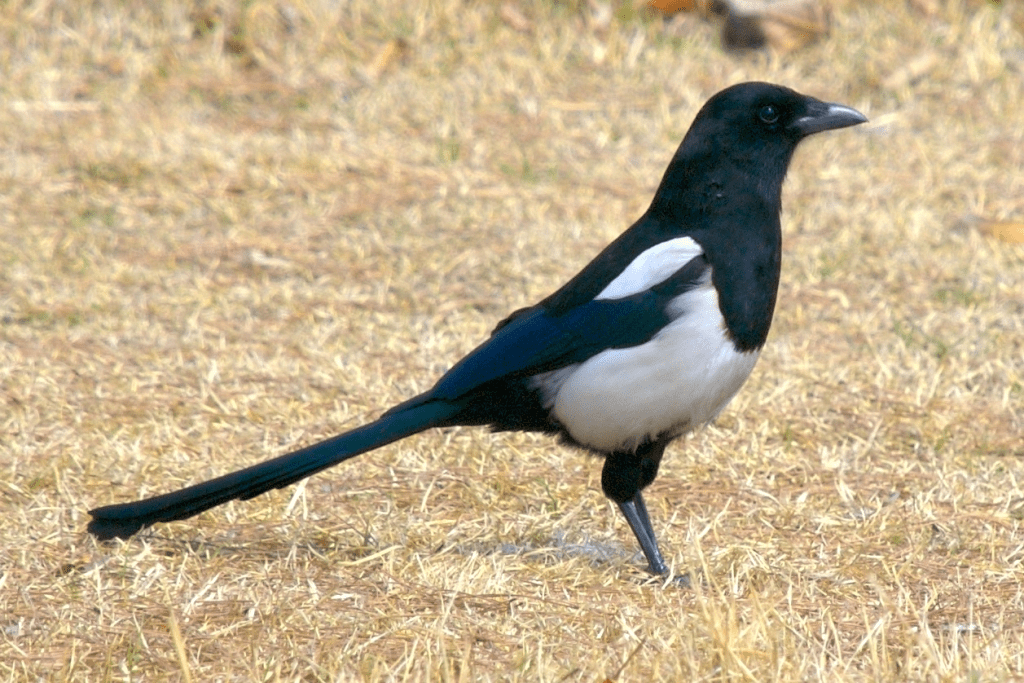
The Korean Magpie (까치- kkachi ) is South Korea’s national bird. The Korean magpie is like a tooth fairy, making sure that the kids grow new strong teeth. Though children don’t throw their teeth on the roof for magpies, it is still considered lucky if you spot one as they are considered a good omen.
Picture credits: wikimedia commons
Red-crowned crane
The Red-crowned Crane (두루미– durumi) is a tall bird which has an outstanding appearance, having a red patch of feathers on top of its head. It is the rarest crane in the world and is a symbol of luck, peace and longevity. It is also carved on the South Korean 500-won coin.

Picture credits: koreatravelpost
Amur leopard
The Amur Leopard (표범 – pyobeom) is one of the world’s rarest big cats, originally found across the Korean Peninsula. While it primarily inhabits the Russian Far East and northeastern China today, its conservation is important for South Korea. With fewer than 100 individuals left in the wild, efforts to protect this critically endangered species are essential for preserving biodiversity in the region.

Picture credits: koreatravelpost
Asian Black Bear
The Asian black bear (반달가슴곰 ) is additionally referred to as a moon bear regionally, for the distinctive white crescent on its chest. The Asian Black Bear feeds on insects, along with fruits, nuts, and different grasses. Historically these bears were found throughout the mainland; mount Jirisan and Seoraksan in South Korea

Picture credits: koreatravelpost
Siberian Musk Deer
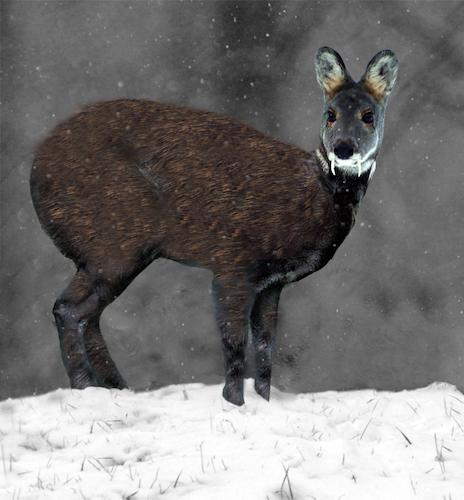
Both males and females of the Siberian Musk Deer (사향노루) have long canines. It is a small deer that can walk through deep snow. They can also run extraordinarily fast to save themselves from predators. The South Korean Endangered Species List now includes the Siberian musk deer.
Picture credits: koreatravelpost
Korean goral
This is the species of Wild Goat (산양- san-yang), residing in rocky areas or caves where other animals have difficulty finding. They can be found mainly in mountain regions. Historically the Gorals were found throughout the Taebaek Mountains. Gorals can eat a good range of grass, wild fruits, and leaves. Gorals have increased in number, around 700-800 now.

Picture credits: koreatravelpost
In addition to the diverse wildlife of South Korea mentioned above, there are many more to discover like Korean hare, Korean water deer, White–Naped Cranes, etc. South Korea is devoid of huge carnivores but, there are still a few dangerous insects and snakes in the country. Governments and conservationists work together to ensure that the country is still home to a remarkably diverse range of wild animals.
You must have heard about the wild boars and the significance of tigers in K-Dramas! Do let us know in the comment section if you have heard about any of these animals mentioned above.


I love reading this article, all the animals have their own uniqueness and each is described very well. I have often heard about the Korean magpie and the Red-crowned crane.
Lynx is so cute 🥺
I really loved this article
Got to know about the Korean animals too thank youuuu
💞💗💗
Amazing 😍
🤍🤍🤍🤍
Wow
I love this article it so good to know about the animals ❤️
Fantastic
I can’t help but picture Hoshi’s face as soon as I read about the first animal 🙂
Magpie (kkachi) ❤️the national bird of my favt country 💕
Thanks for this Beautiful articles I got great knowledge from these articles . Learning korean is fun but these articles make me understand the things that maybe the citizens of the
country is well aware 😃…
Thanks for the knowledge
Glad to know abt these beautiful species 🤍🌻
I Always get whenever I read abt animals
Love the stories 😍😍
Amazing 😻
Wow didnt know a lot about them it was a fun learning these facts through reading
Wow….discovered today that South Korea and India both have Tiger as National animal 😮
It was a great info
Thanks to hallyuism 🙌✨️✨️
Durumi easy to remember
Wow 😮
I didn’t know about tigers in SK
Loved to know about them🤌🥹
So beautiful 🫶🏻
Loved reading this article
So unique and every animal has its own uniqueness
So informative
So beautiful
This article gave such fascinating insights into South Korea’s wildlife! I never realized how diverse their animal population is.
Learning about species native to South Korea, like the Korean magpie and the Amur leopard, was so eye-opening. Makes me want to visit and explore nature there
no idea that South Korea is home to red-crowned cranes. Their cultural and ecological significance is inspiring!
I had no idea that South Korea is home to red-crowned cranes. Their cultural and ecological significance is inspiring!
It’s great to see how South Korea is preserving its wildlife through national parks and conservation programs. More countries should follow their lead!
The mention of the Asiatic black bear was interesting. I’d love to know more about efforts to protect this vulnerable species in Korea
The coexistence of urban development and wildlife in South Korea is impressive. Articles like this highlight the importance of maintaining that balance
It’s heartwarming to read about the return of certain species, like otters, to South Korea’s rivers. A testament to the country’s conservation efforts.
for its culture but also to explore its wildlife-rich regions. Nature lovers would love this!
By reading this article I get to know more about korea
So informative
Wow, i didn’t know about this
The animals are so majestic.
Very informative
Amazing 😍
Very informative 😃
I love animals and reading abt animals is my hobby thanks for this beautiful article
omg i really don,t know about that but hallyuism thank you for best information
good and parfact
Very informative thank you hallyuism.🫰🏻❤️🫰🏻
loving this articals and very informative for me
Loving this article ❤️❤️🫰🏻
Amazing 💜🫶✨✨