Anuja Vijayan, Kolkata, West Bengal
South Korea is a fascinating country with plenty of reasons for celebrations, whether it’s about food, nature, historic events, or the changing seasons. Beautiful displays, major ceremonies, and traditional dressing up are all part of their celebrations. Aside from its great addicting K-Pop melodies, K-Drama series, movies, and delectable foods, South Korea has one more element that it does without a doubt: festivals!
Festivals in South Korea are more than just a way to have fun and relax; they are also an opportunity to immerse oneself in or learn more about Korean culture. Festivals take place all over the year; here are a handful of the most popular ones in Korea.

Seollal
In South Korea, people follow the lunar calendar. Seollal is known as the Korean New Year, which is a three-day celebration usually celebrated with family in January/February depending on the lunar calendar. The young ones pay respect to the elders through sebae (bowing down to the elders) and by greeting “saehae-bok mani badeuseyo” (may you have a lot of fortune in the new year). Seolbim (a new set of hanbok) is worn by people during this celebration. A delicacy that is served is rice cake soup, jeon or buchimgae, japchae, galbi-jjim, sikhye, sujeonggwa. Various traditional games are played like yutnori (board game), jaegichagi,paengi, or flying kites.

Picture Credits: @koreanet_official (Instagram)
Jeju Fire Festival
A fire festival that represents Jeju’s livestock culture is held on Jeju Island on the first full moon day after the Lunar New Year for three days each year. It is a ritual to pray for good health and a good harvest. It begins with the offering for good harvests and later continues with parades, various competitions, and fun games. To ward off misfortune and bring in good luck, stacks of twigs and straws (daljip) are burned. Foods and drinks like Boerum (nut), cheongju (beverage), ogok-bap (multigrain rice), etc. are consumed.

Picture Credits: VISITKOREA
Hansik
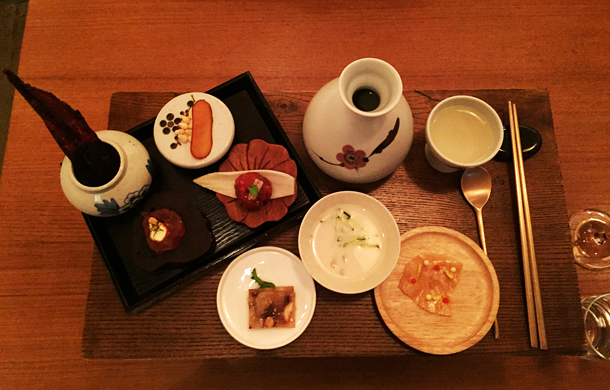
It is also known as a cold food festival. 105 days following the winter solstice, the Hansik Festival is held. On this occasion, all foods that are not cooked on fire are served. On this day sacrificial rites are performed at Jongmyo which is a Royal Shrine and Neungwon. People organize memorial offerings and visit their ancestral graves to offer prayers. During the visit grave area is cleaned and new bushes are planted (Gaesacho) around the grave. At the same time, this marks the beginning of the farming season.
Picture Credits: Korea JoongAng Daily
Chopail
Chopail, or Buddha’s Birthday, is one of the most joyful and highly celebrated occasions on the eighth day of the fourth month. Traditionally, families make lanterns equal to the number of family members before the day arrives. The lanterns are then lit and hung outside their homes. The presence of diverse and brightly coloured lanterns, particularly lotus lanterns, is one of the day’s most noticeable elements it also. Rituals, prayers, and other events are held in temples on this day. Buddhists eat a variety of foods, including Tteok (rice cakes), dumplings, fish cakes, and other delicacies.

Picture Credits: @koreanet_official (Instagram)
Dano
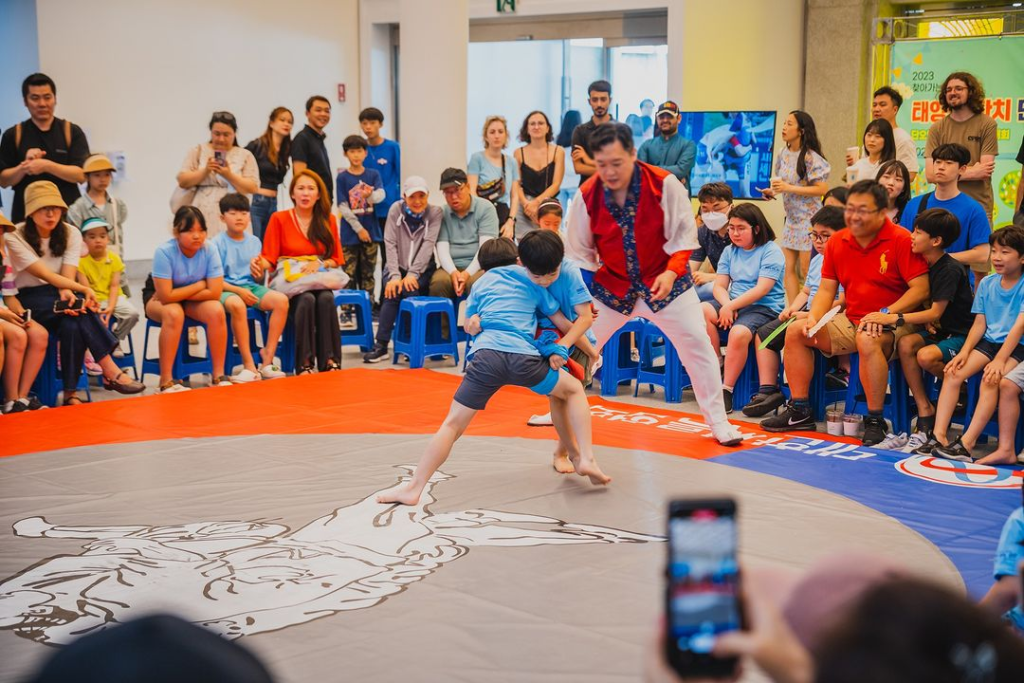
The Dano Festival is held in the springtime when farmers begin to plough their fields. Women wash their hair with special water mixed with Changpo (type of iris leaves) on this day. Men, on the other hand, carry iris roots, which are said to ward off evil spirits. As the weather warms, individuals begin to give fans to friends and neighbours to help them beat the heat. Ssireum (Korean wrestling bout), swing, and other traditional activities are played. This event, of course, includes merriment, eating (surichitteok, ssuktteok, etc.), and drinking.
Picture Credits: @seoulcity (Instagram)
Chuseok
It is a mid-autumn Festival also known as Korean Thanksgiving. It is one of the most important and longest festivals in Korea which is celebrated during the full moon on the fifteenth day of the eighth lunar month. As a celebration, people visit their ancestral home and enjoy Korean traditional feasts including song-pyeon, sindoju, and dongdongju. A few important traditions are followed on this day like Charye (memorial services for ancestors) and visiting graves (Seongmyo) to tidy the places and offer prayers. Villagers dress up as cows or turtles and parade from house to house, accompanied by a nongak band playing music and many more folk games like Hwatu, Taekkyon (traditional martial arts), etc. are played on Chuseok.

Picture Credits: Asiancustoms.eu
Jinju Lantern Festival
It is one of the oldest and most beautiful festivals in Korea which is celebrated in October. This exhibits Korean traditions and cultures. People light thousands of red lanterns on the banks of the Nam River to pray for peace, health, and prosperity for their loved ones. They can float, hang, or make their lanterns with their wish written on them. This lantern pays homage to the veterans of the Battle of Jinjuseong (1952). One can also see street parades, performances, and food from local restaurants with countless surreal views of lights, handcrafted decorations, furniture, firework displays, etc. along the riverbed.

With its rich culture, history, and beautiful landscapes, South Korea has a lot to offer. Globalization has helped the country to attract a lot of visitors to enjoy these festivals. Each festival encompasses a wide range of genres, which cater to different interests, but there is always something for people of all ages to enjoy.
Do let us know in the comment section which Korean Festival are you looking forward to experiencing yourself!


It’s very fascinating to know about K- festivals. And after reading this article I definitely want to experience all this festival but my favourite will be Jinju Lantern Festival.
Want to experience each and every festival once 😍
😍😍😍😍😍
추석❤️
Amazing… ❤
___SONIA
Great Article ❤️✨
Want to live this moment once. Well articulated. Got great insights ❤️
It’s really fascinating to know about their festivals 💝
Chuseok Festival i want to experience because i heard so much during my learning phase of korean and obviously other’s festivals too if i got chance whenever in my life i don’t want to miss it . And ya great article to know more about festivals which i don’t know before that.💜✨️
Chuseok Festival i want to experience because I heard so much during my learning phase of korean And other’s festivals too if i got chance whenever in my life . And ya great article to know more about festivals which i don’t know before that thanks💜✨️😊🫶🤩
oh wow
Wow amazing..well written article 👏
I’m looking forward to experience Chuseok and lantern festival
This is such a great insight to many lesser known festivals
Wow❤️
Such an amazing article 💫loved it💖
Great insights ✨️
Nice article
Well written💓
I was familiar with Chuseok and the lantern festival but I got to know of so many other festivals. Well written.-Tirna
Wow, 😯 so unique festival’s, I would love to see them all, but mostly the Jinju lantern festival.
such a well written article!! ❤️
Wanna experience all of them😍
The fastival is just amazing 🤩❤️.so many kind of different festival culture etc etc also we got know about korea as well how they celebrated and what’s there fastival like.and i also attende the festival as well the experience is just fabulous 😍
All of the festivals are great 👍🏻👍🏻
Reading all these articles about Korean festivals makes me want to visit Korea more!!
Reading about Dano festival was quite new to me. Thank you for sharing such detailed look on the festivals of South Korea.
As i am exploring Korean culture, my interest in Korean Festivals is getting much deep. And reading your article on the same has bought so much to learn and understand it. Thank you so much Anuja Vijayan for this lovely article.
Beautifully written article, the way you explained the festivals of Korea, is a real flashback of Beautiful culture. ❤️ ahh BTW 새해 복 많이 받으세요 ✨️
Pranjul Sharma
Every festival has its own significance. If I get the chance then I want to experience all Korean festivals
Incredible
Jinju Lantern Festival is so beautiful!!
I would love to see the Jinju Lantern Festival and Dano! The lanterns look so beautiful.
super cool and fun
I wanna experience these festivals in person someday
I loved reading this! South Korea’s festivals feel so magical, and each one carries such deep meaning and beauty. Personally, Jeju Fire Festival and Chuseok are at the top of my list, I can almost imagine the lanterns, food, and warmth of the celebrations. It’s amazing how these traditions keep culture alive so beautifully. Can’t wait to experience at least one of these someday!
I really want to experience the Chuseok Festival because I’ve heard so much about it while learning Korean, and it seems like such a meaningful and vibrant celebration. Of course, I’d love to take part in other Korean festivals as well if I ever get the chance—I wouldn’t want to miss any of them. This article was wonderful in giving me insights into festivals I didn’t know about before, helping me understand their traditions and cultural significance even better. It makes me even more excited to experience these celebrations in person someday.