Interviewer and Editor: Prachi Vaid (Delhi, India)
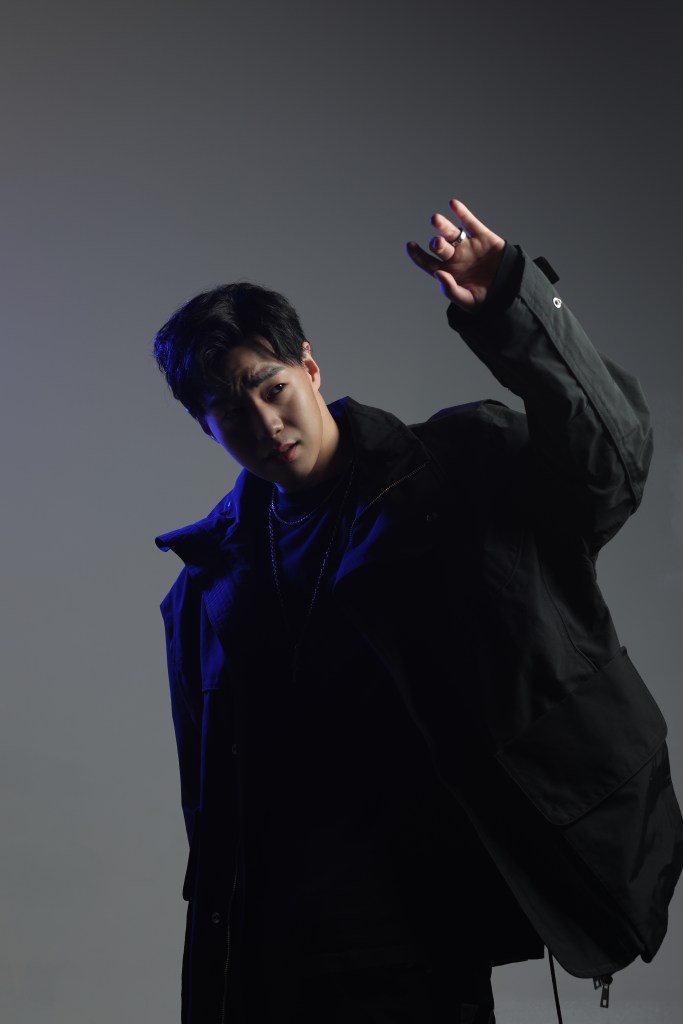
Meet Harrison Kim, popularly known as GK (지케이). He is a South Korean singer-songwriter, music producer, and the founder of JJ Music Group. He has previously worked as an A&R Director at P NATION, working closely with artists like PSY and Jessi. His expertise includes blending K-pop, hip-hop, and R&B in his work while exploring different musical styles and helping new artists find their own sound.
In this interview, we asked GK about his musical journey, his inspiration, his work in the music industry, and his advice for aspiring artists and producers. Read along to learn more about him.
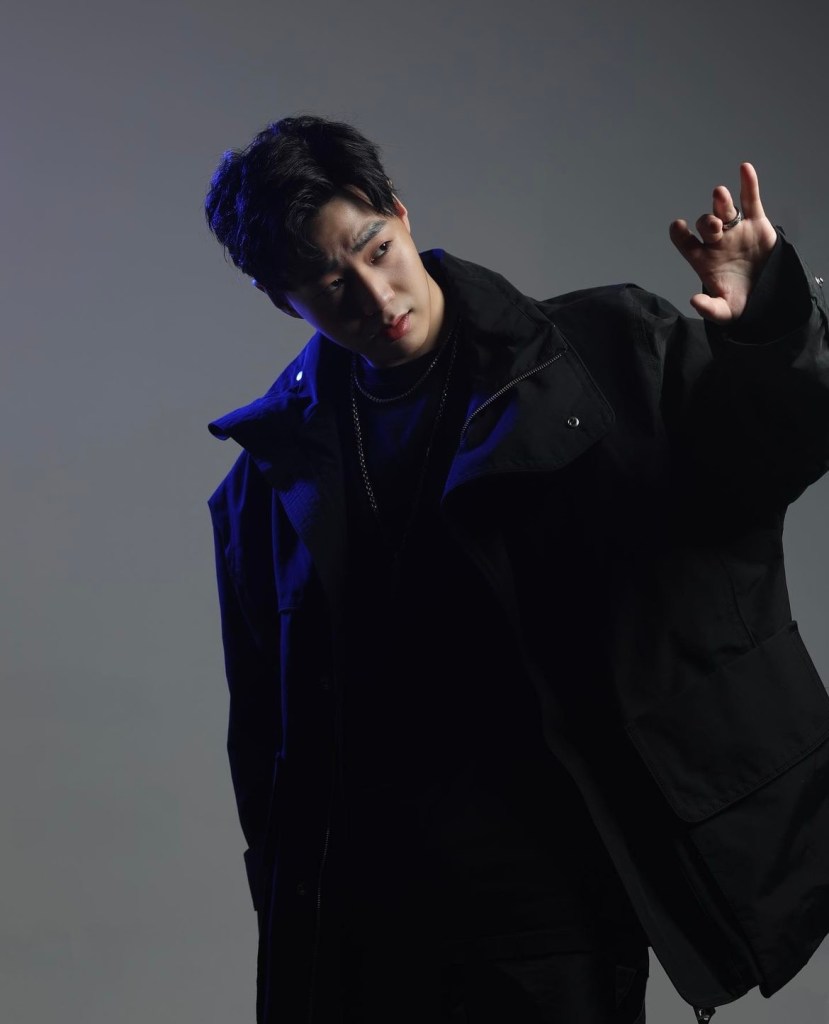
You started your journey as an artist at P NATION and eventually became an A&R Director. What prompted you for this transition, and how does it feel now that you have worked on both sides of the music industry?
I entered P NATION as an artist, and my work gradually expanded into A&R. I was interested in the decisions around a song as well as making the song itself: finding the right material, understanding an artist’s strengths, and bringing the different parts of a project together. Taking on that responsibility gave me a much wider view of the process.
Having worked on both sides helps me understand what an artist needs creatively and what it takes for a team to deliver a release. I still approach music as an artist, so I care about how a decision feels to the person performing it. That perspective is especially useful now that I am making my own music while developing other artists at JJ Music Group.
How was your overall experience working at P NATION, especially working on projects with PSY and Jessi, and how did it impact your approach towards music?
Working on projects such as PSY’s ninth album, SSADA9, and Jessi’s “ZOOM” gave me experience with artists who have very clear identities. It made me pay closer attention to whether a song really belongs to the person performing it. A strong song becomes much more convincing when the voice, attitude, performance, and presentation all make sense together.
That experience still shapes how I work. When I hear a demo, I think about who could make it their own and how it could connect with an audience. I also have a greater appreciation for the coordination behind a release. The creative idea matters, and so does the work needed to carry it through recording, visuals, and promotion.
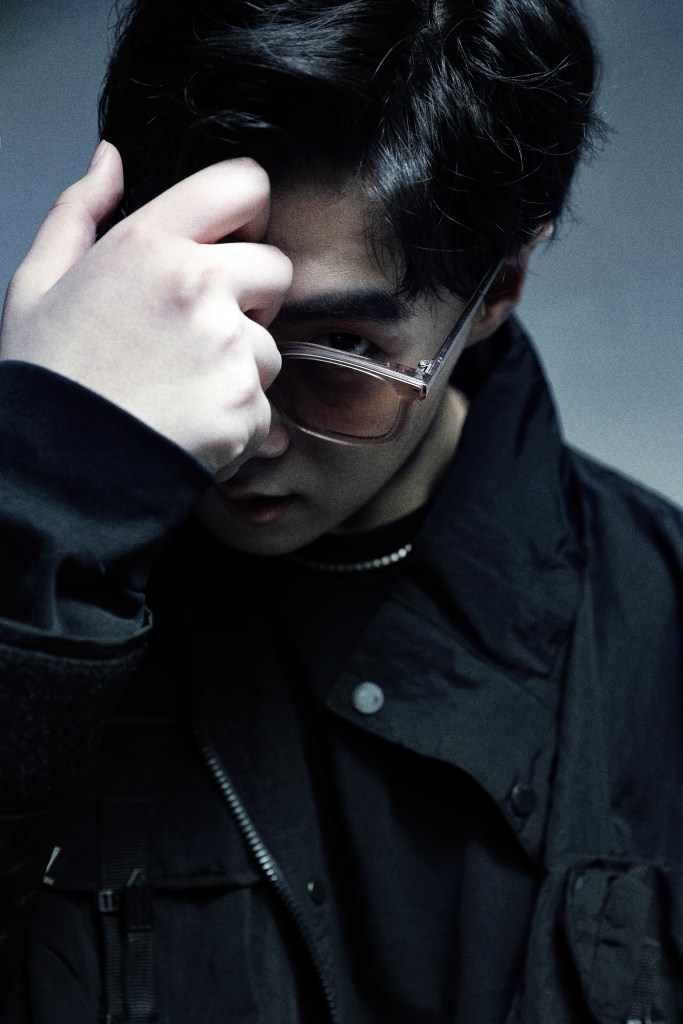
Your music blends different genres like K-Pop, hip-hop, and R&B. How would you describe your personal musical identity and how has it evolved over the years?
Hip-hop and R&B are a big part of my musical language, and I also like the directness of a memorable pop melody. I tend to start with a feeling or something I want to say, then find the sound that lets me express it naturally. Sometimes that calls for a rap verse, and sometimes a simple sung line says more.
Over time, I have become more comfortable letting those different sides exist together. On G.Race, the songs move through different sounds because the emotions move too. Pressure, disappointment, comfort, and attraction do not all feel the same. I want the connection between the songs to come from my perspective and the way I tell a story, even when the production changes.
You released your latest EP G.Race, nearly 2 years after your previous release. What inspired you to create this project, and what would you like the listeners to take away from it?
Since I DO CARE in 2024, I have continued working on music while also carrying more responsibility through JJ Music Group. G.Race grew out of the feelings that came with that period. There is the desire to keep moving forward, but there are also days when money, work, relationships, and expectations become heavy.
I wanted to be honest about being in the middle of that experience. “Money on My Mind” gives a voice to some of that pressure, while “Tear is Nothing” leaves room to admit that you are tired. I hope listeners can recognise something of themselves in the EP. If a song helps someone feel understood on a difficult day, that would mean a lot to me.
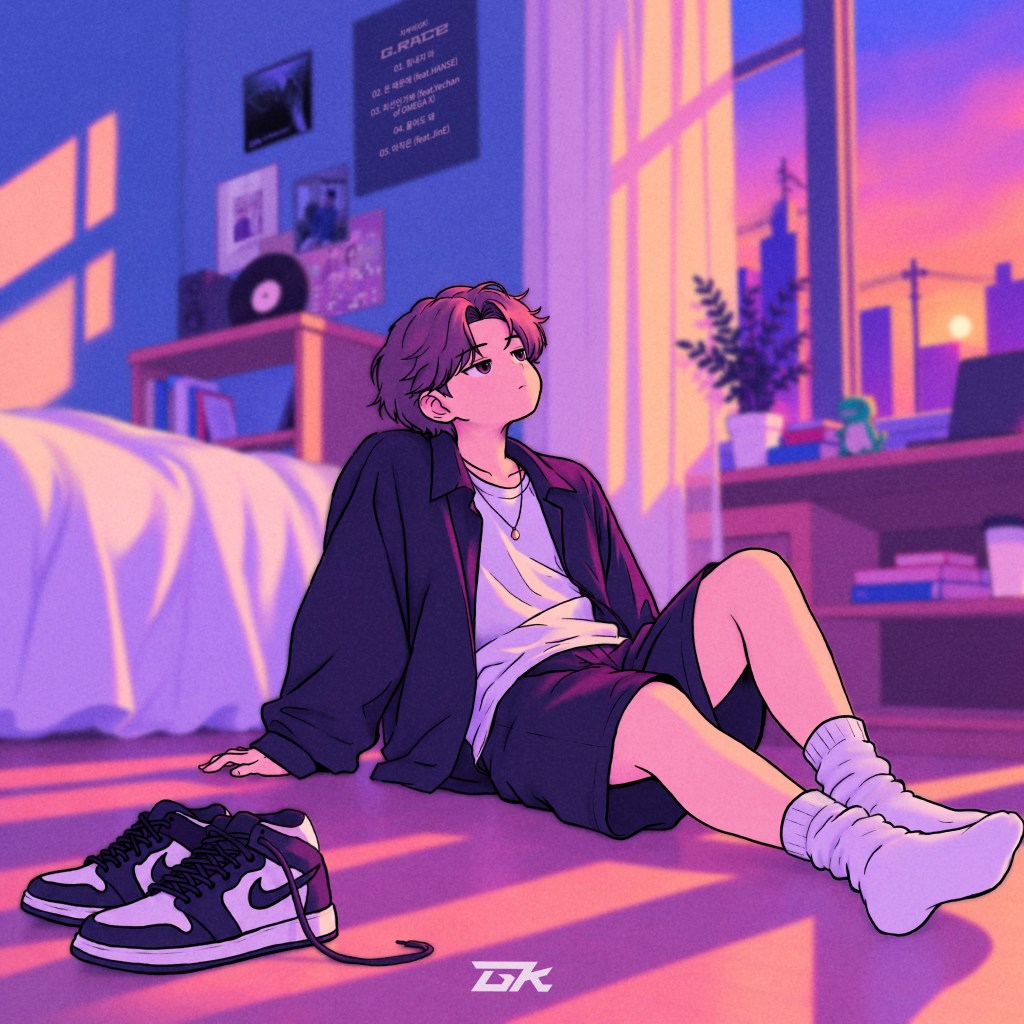
The title G.Race brings together the ideas of “race” and “grace.” How does this connect with your personal experiences, especially while managing your music career, running a company, and finding solace in your personal life?
G.Round played with the ideas of starting from the ground and creating my own turn. G.Race follows what happens once that journey is moving. Being an artist and running a company can make it feel as though there is always another thing I need to do or another responsibility waiting for me.
The grace part matters because I have also received help, opportunities, and care along the way. My Christian faith has become an important source of strength in my life, and it shapes how I think about gratitude and trust. The title holds those feelings together. I still want to work hard and move forward, while remembering the people who support me and the grace I have received.
Your EP explores different themes, from facing constant pressure to anxiety due to relentlessly running in life. How did your personal or professional experiences influence the themes of this EP?
I grew up in a financially comfortable environment, but stepping outside that protective space and taking responsibility for my own work could still feel difficult and lonely. Running a company also makes you think about the people and projects depending on your decisions. Those feelings became part of the EP.
I wanted to talk about money and responsibility honestly, without turning the album into a story of having everything figured out. There are moments when even being told to stay strong can feel like one more expectation. “Money on My Mind” was a way to speak openly about that pressure. I think hearing a song like it during a lonely period would have comforted me, and I hope it can do that for someone else.
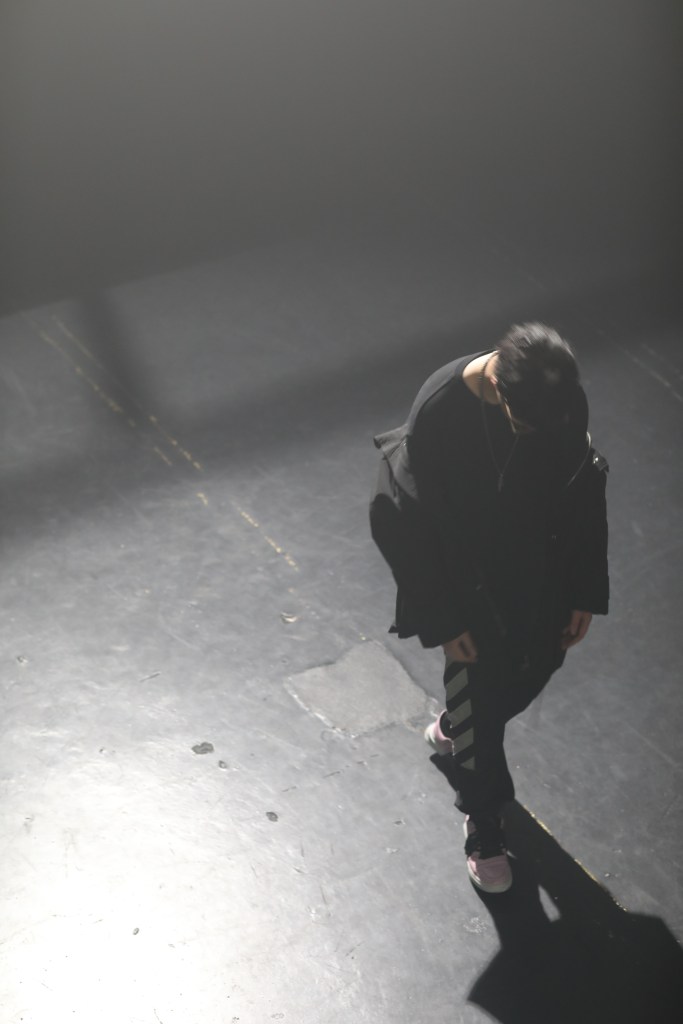
On this EP, you have collaborated with artists like DOHANSE, Yechan and JinE. How did you decide which artists would be the right fit for which track? And is there anything in particular you look for when collaborating with artists with different qualities and strengths?
HANSE felt right for “Money on My Mind” musically, and I also related to his experience of moving from idol activities into a solo career. We could connect through the different things we had experienced. Yechan is a close friend I often share music with. When I asked him about joining the EP, he accepted right away. His rock-influenced vocal tone adds a distinct emotional quality.
JinE and I had filmed a lot of content together, but we had never sung together, so I asked her to join the closing track. Her clear voice suited that song’s lighter feeling. I look for someone whose voice and perspective bring something specific to the track, and someone I can communicate with comfortably while making it.
You were involved in writing and composing all five tracks, along with vocal direction and recording. Is there any particular track from G.Race that holds a special place in your heart?
“Money on My Mind” is one I would point to. It deals with feelings that can be uncomfortable to admit, especially when you are expected to keep working and stay composed. Having HANSE bring his own voice to the song also made it feel like a conversation between two people carrying their own experiences.
Because I was involved in the writing, composition, vocal direction, and recording across the EP, each track feels close to me in a different way. With this one, I especially hope someone hears it and feels less alone with the pressure they are under. That possibility of recognition is a big part of why I wanted to make the album.
What inspired you to create JJ Music Group and what is your vision for it in the long-term?
I wanted to build a place where I could connect the different parts of my work: making music, developing artists, shaping projects, and helping those projects reach people. Having worked as both an artist and an A&R director, I wanted to take responsibility for that whole process and build a team around it.
My long-term vision is for JJ Music Group to grow into a company with a strong catalogue, distinctive artists, and creative projects that can keep developing over time. That includes recordings, visual content, and live experiences. I am also interested in building lasting connections between Korea and the United States, so that collaboration can lead to further work and a wider audience for our artists.
JJ Music Group works with artists having different musical backgrounds, such as Chu Seo Jun, Choi In, and Romin. How do you help each artist establish an identity of their own?
I think the starting point has to be the artist. Chu Seo Jun, Choi In, and ROMIN bring different experiences and strengths, so I want to understand what each person enjoys making, how they want to be seen, and what feels natural in their voice and performance.
From there, the songs, visuals, and content need to support a clear direction. Having been an artist myself, I know it matters to feel ownership of what you are putting out. My role is to help make that direction clearer and give it a practical form through the right collaborators and projects. I want listeners to recognise each artist as an individual, with their own reasons to keep listening.
JJ Music Group launched SOFA as a long-term music project, beginning with “In Memories” and later releasing “MUTED.” What was the core idea behind creating SOFA, and how is it different from a regular series of music releases?
The name SOFA expresses the feeling behind it: a place where you can sit down for a while. We wanted to create music that people could return to, with room for memory, comfort, and emotion. “In Memories” and “MUTED” are part of that direction, bringing different voices into a shared project.
SOFA gives us a continuing framework for collaboration. The artists can change, and the sound can develop from release to release, while the project keeps its emotional connection. I want the recordings and live content to build on one another, so listeners gradually get to know the world of SOFA. Over time, I hope it becomes a catalogue that people keep close and revisit at different moments in their lives.
JJ Music Group has engaged closely with Gangnam Pop and Club culture. What does this concept mean to you, and how do you hope it will shape the sound and direction of JJ Music Group and music in general?
For me, Gangnam Pop describes a musical atmosphere: polished urban sounds, the groove of hip-hop, and melodies that carry emotion. It leaves room for both the energy of going out and the more personal feelings that follow you through a city. That gives us quite a wide space to work in.
The connection with club culture also makes me think about music as something people experience together. Live performances, DJs, fashion, and visual content can all help introduce a song to an audience. I want us to keep exploring that connection while making music that also holds up when someone listens alone. My hope is that JJ Music Group develops a recognisable feeling across those different settings.
From performing as an artist to working behind the scenes and eventually building your own company, you’ve had a long journey. Looking back, is there anything you wish you’d known when you were first starting out?
I wish I had understood earlier how much a career depends on consistency and communication. There is a lot of attention on the moment a song comes out, but the work around it continues: finishing things, keeping people informed, taking feedback, and following through on what you said you would do.
I would also tell my younger self to learn how the business works and ask questions sooner. Understanding credits, ownership, budgets, and the people involved in a project helps you make better decisions about your music. And I would remind myself to take care of my health. When you want to keep building for a long time, you need a way of working that you can sustain.
Finally, what can we look forward to from you and JJ Music Group in the future? And what advice would you give to young artists and aspiring music producers who are hoping to leave a mark in the music industry?
I am continuing to develop my own music, including English-language R&B, while working on new releases and collaborations at JJ Music Group. I want to keep growing SOFA through recordings and live content, and create more opportunities for our artists to connect with audiences in Korea and overseas.
For young artists and producers, my advice is to finish music and keep learning from the result. Work with people you can be honest with, listen carefully, and learn how to explain your ideas. Building your own voice takes time, and each completed project teaches you something you can use on the next one.
To everyone discovering my music through Hallyuism, thank you. I hope G.Race gives you a song you want to come back to. I would love the chance to share the music with you in person someday.
Once again, we would like to express our heartfelt gratitude for your precious time and for sharing insights about your journey. Thank you so much. On behalf of the entire team at Hallyuism, we wish you all the best for your future projects and lots of love from India!
We hope you all loved reading this interview as much as we loved conducting it. Let us know your thoughts in the comments!


What I find really interesting about GK is how he understands music from both an artist’s and a producer’s perspective. His experience working with artists like PSY and Jessi, along with his own creative journey, shows how much thought he puts into music and artistic identity. I really admire his passion, versatility, and the way he approaches music beyond just creating a song. Looking forward to seeing more of his work!