Writers: Pratyusha Dash (Greater Noida, Uttar Pradesh, India) & Ankita Panda (Kolkata, West Bengal, India)
Editor: Ankita Panda (Kolkata, West Bengal, India)
Have you ever found yourself deep into a K-drama, only to realise a few scenes or actions feel strangely close to home? It turns out that the two Asian countries we love so much actually have much more in common than we thought. In this article, I will highlight the similarities between our Indian culture and that of South Korea.
Independence Day

Picture Credits: India TV News

Picture Credits: The Korea Herald
This fact may be known to some and surprising to others — both countries celebrate their Independence Day on the 15th of August. India gained independence from British rule on 15 August 1947. On the other hand, Korea was liberated from Japanese occupation on 15 August 1945 and later established the Republic of Korea (ROK) on 15 August 1948.
Family First
In both countries, traditional values remain the same. Children living with their parents might be seen as taboo in Western cultures, but both India and South Korea see it positively and encourage it. The family structures of both countries are well developed with proper hierarchies.
For example, in Western countries, all sisters of the father are referred to as aunt, regardless of their age. But that is not the case for these two Asian countries. All the familial relations have proper names, which makes the distinctions clear.
South Korean society places a high emphasis on valuing its elders, as does Indian society. They use various honorific suffixes to address adults and are quite respectful of the same.
Language

Picture Credits: Pinterest
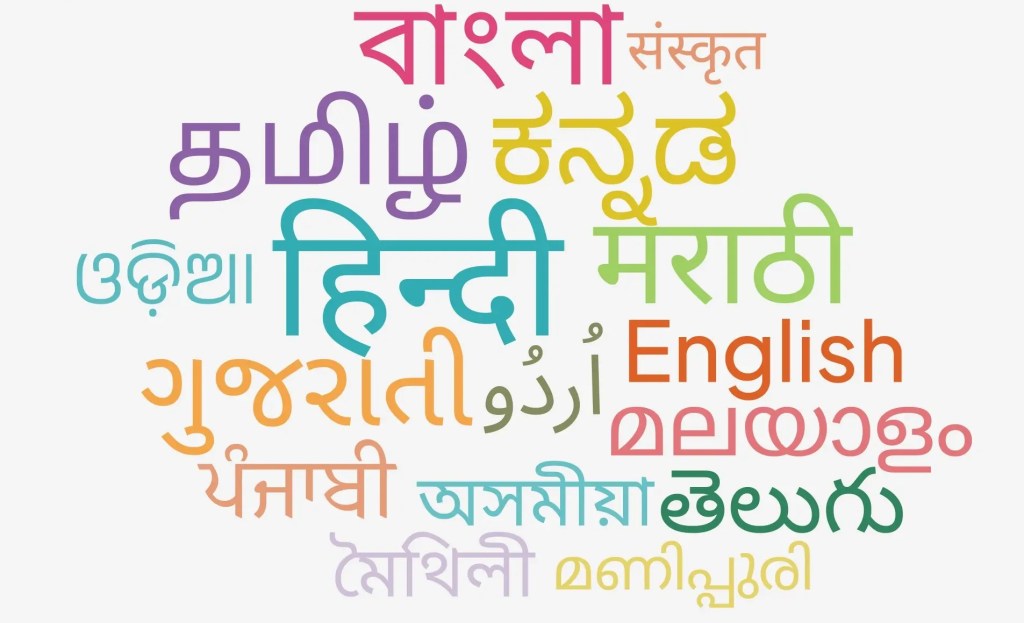
One of the most mind-blowing similarities between the two countries is the parallelism between Tamil and Korean. The two languages are more similar than they appear. According to some studies, there are more than 500 common words in both languages.
Picture Credits: Pinterest
For example, mother is referred to as Amma (அம்மா) in Tamil and Eomma (엄마) in Korean, while the term Appa for father is used widely in both languages. There are also similar-sounding words like Pul (புல்) in Tamil, Pol (풀) in Korean, which means grass.
Picture Credits: Hallyuism
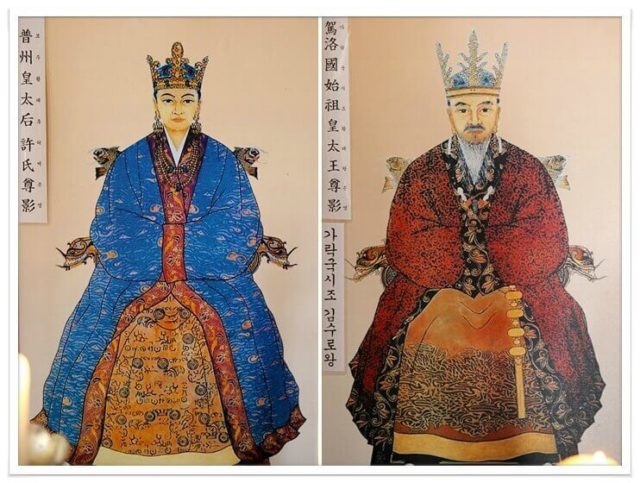
Many believe that this language commonality we share is due to our historical linkage. According to the legend, Indian Princess Suriratna from Ayodhya traveled to Korea and became the wife of the King Kim Suro of Gimhae, and together they established the influential Karak clan.
Food
Food is also a common base for both countries that love to show their diversity through their cuisines. Rice is a staple food for both Korea and many states of India. It is the main basic food that is consumed with other side dishes. Along with that, there are many food items available in both countries that draw quite a resemblance to each other.
Kimchi and Achaar (pickle)

Picture Credits: Pinterest
Kimchi is the soul of Korean cuisine, and the country is known for this delicious dish. There is no doubt that anyone who has tried Korean cuisine must have found a side dish named Kimchi included with their food. It is mostly pickled fermented vegetables, such as cabbage or cucumber, which are enjoyed by many in the country. Achaar, on the other hand, is cooked through a very similar process and is enjoyed by many people in India.

Picture Credits: Pinterest
Pajeon and Chilla
Picture Credits: Pinterest
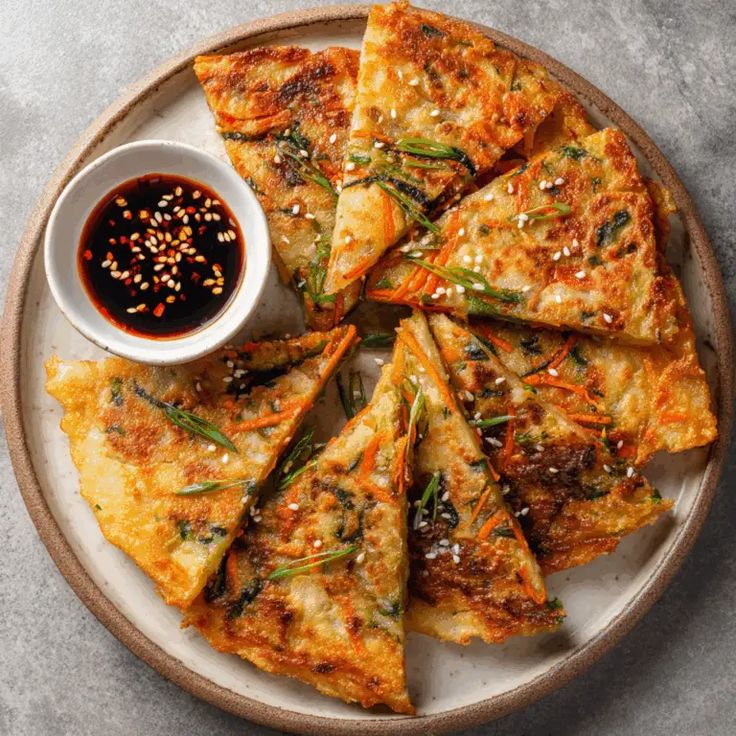
The resemblance in the appearance of both dishes is uncanny. Pajeon, or the savoury pancake of Korea, is made with a variety of ingredients, including seafood, meat, or veggies, with its main ingredient being green onions.
Picture Credits: Pinterest
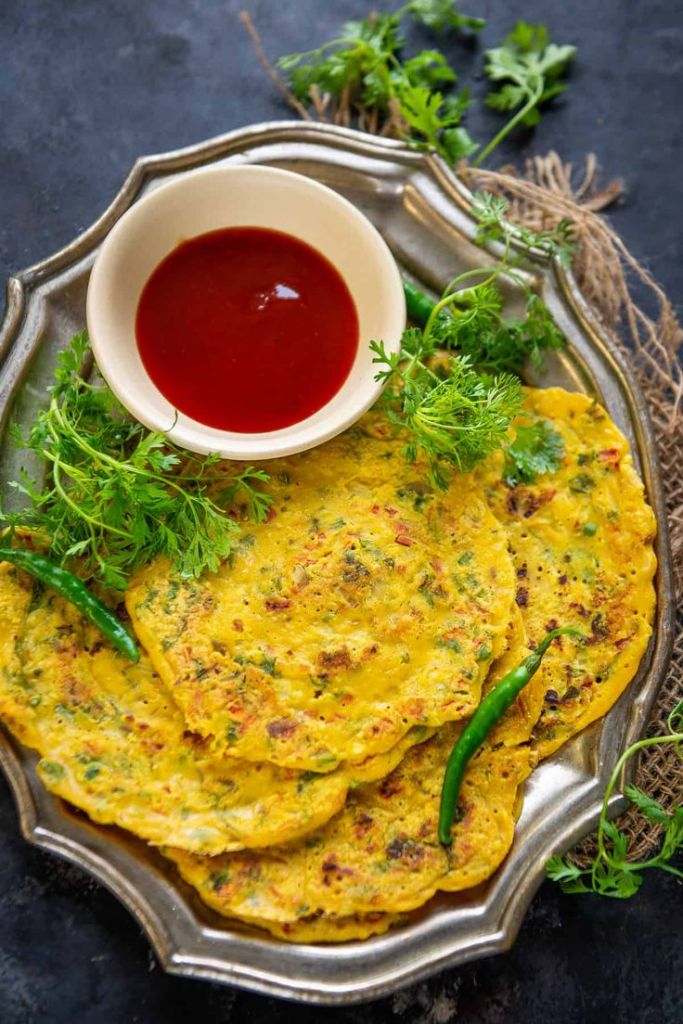
Similarly, Chilla (or Cheela) is the Indian version of the savory pancake. It is made from various types of flour or lentil batter and is mostly consumed as a high-protein, delicious breakfast food.
Yaki Mandu and Gujiya
Picture Credits: Pinterest
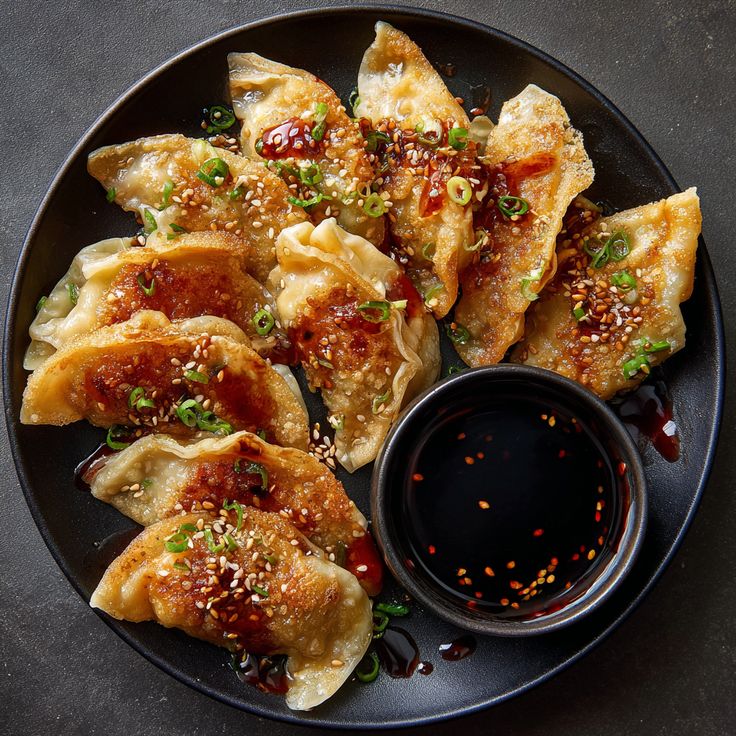
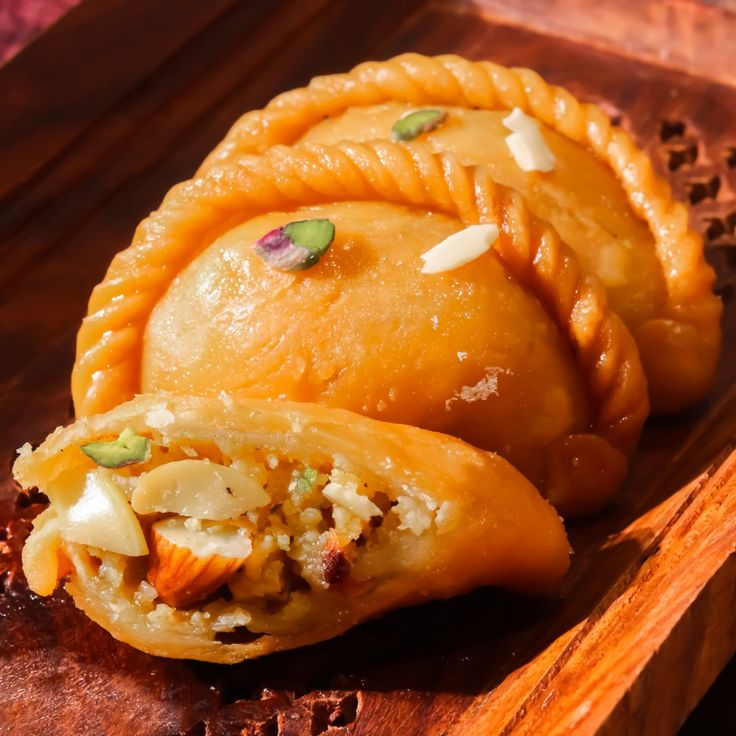
Yaki Mandu is a popular Korean fried dumpling dish that is filled with meat and veggies. They are usually savoury in taste and are loved by many in South Korea. A similar-looking Gujiya is a sweet dish that is filled with Khoya and dry fruits, which are then deep-fried. Both food items have very similar appearances and will remind you of each other.
Picture Credits: Pinterest
Festivals: Celebrating Life and Family
Picture Credits: NDTV
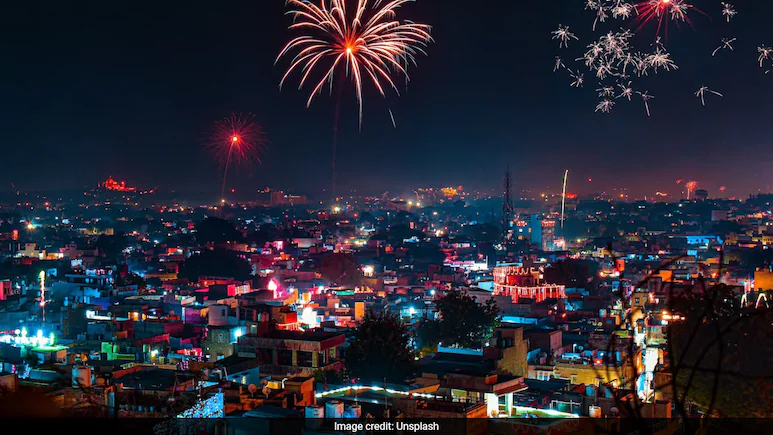
In India, we celebrate major festivals such as Diwali, Pongal, Makar Sankranti, Lohri, Durga Puja, and others. We not only pay respect to our ancestors, land, and gods but also gather together as a family to celebrate these festivities.

Picture Credits: Pinterest
Picture Credits: Hindustan Times
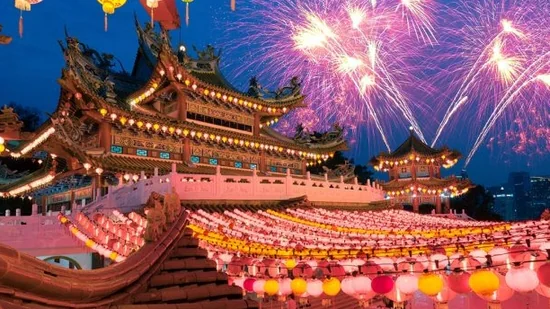
South Koreans celebrate Chuseok, Seollal, and other festivals, bringing friends and family closer and giving them time to be together and celebrate. Similar to our festivals, Chuseok and Seollal are celebrated to pay respect to nature and to their ancestors.
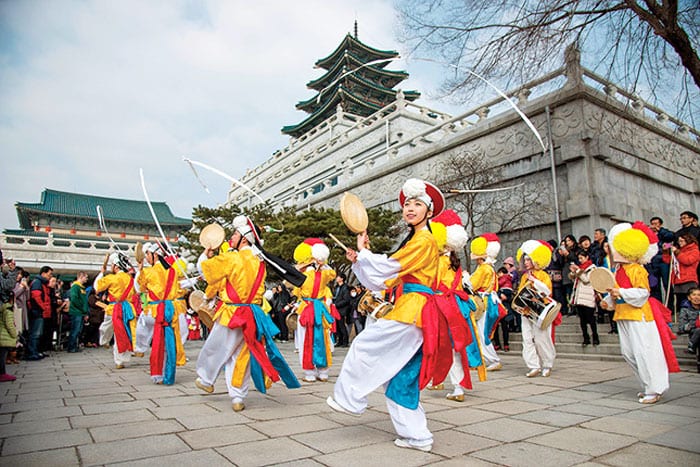
Picture Credits: Dynasty Korea
Bihu, one of the main festivals in the North-eastern parts of India, has a similarity with Chuseok in the way they are celebrated, in terms of offerings and traditional dances.
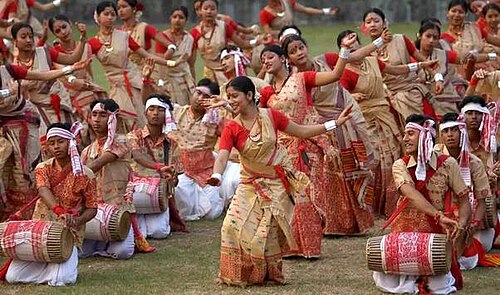
Picture Credits: Wikipedia
The World of Entertainment
Both countries have their own industries solely dedicated to the entertainment world. Indian and South Korean movies and shows are well-known around the world because of their rich storytelling, emphasizing familial bonds and values, societal pressures, and complicated romantic relationships, as well as slapstick comedy.

Another major similarity in terms of entertainment is the celebration of music and dance. South Korea’s melodic OSTs and India’s iconic desi songs, coupled with dancing is often used to enhance the watcher’s emotions and as a narrative technique. The Bollywood film industry has gained worldwide recognition, and so has the world of Hallyu. There are many fans of K-pop and K-dramas now emerging in India and vice versa.
India and South Korea are closer to each other than what meets the eye. Various studies suggest that we might even share some common ancestors, but even without them, we are not so different after all. Both countries share a strong bond, so when a Korean visits India or an Indian visits South Korea, they can easily find a home away from home.
Which similarities stood out to you? Do you see more connections? Tell us in the comments!!

