Writer: Chhavi Sharma (Surat, Gujarat, India)
Editor: Arpita Jena ( Baripada, Odisha, India)
Just as the topic says, the three Kingdoms are an acronym for the three kingdoms (57 BC—668 AD), namely Goguryeo, Baekje, and Silla, which were formed by controlling the peninsula and Manchuria until the consolidation of Silla in 676 AD. In 698, the Go of Balhae established the kingdom of Balhae ( Bohai Sea ) in Goguryeo’s territories, which allowed the Northern and Southern States period ( 698- 926 ) of Balhae and Silla to coexist.

Picture Credits: WIKIPEDIA
Goguryeo
Goguryeo was established in 37 BC by the legendary figure named Jumong. Goguryeo is one of the earliest Korean kingdoms to embrace Buddhism. During the rule of King Sosurim in 372, Goguryeo achieved the distinction of being the largest Korean kingdom. Goguryeo, also known as Goryeo (spelled as Koryo), was the inspiration behind the name of modern Korea.
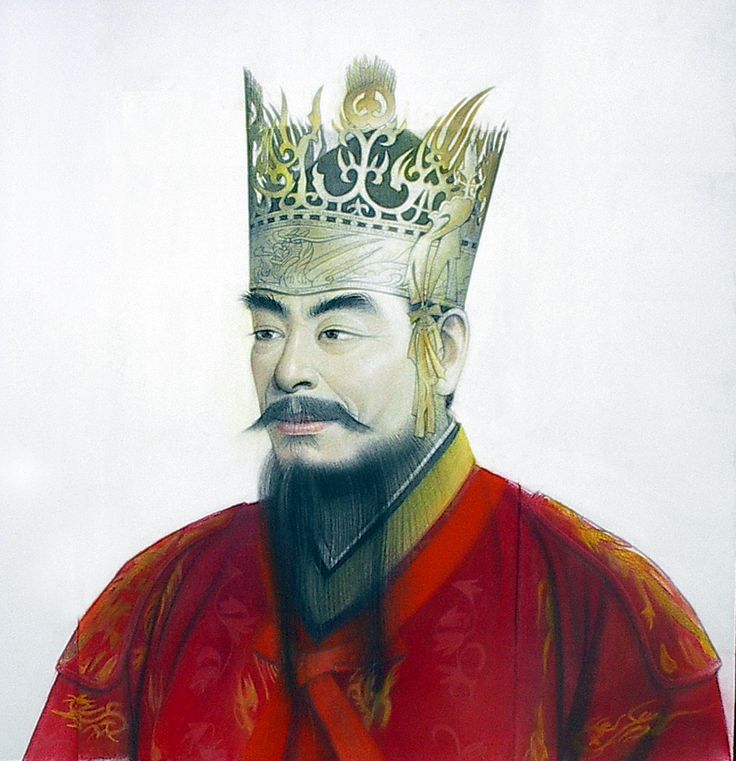
Picture Credits: PINTEREST
Goguryeo attacked a Chinese fortress in 242 AD, leading to the Goguryeo-Wei war. As a result of which Cao Wei of the three kingdoms of China retaliated by invading and destroying Hwando in 244 AD. This resulted in running away of the king with Cao Wei.
In the post-war period, the kingmaker settled in the new capital as Goguryeo focused on rebuilding and regaining control. Once again, they conquered China, this time succeeding as the Chinese fled away from Lelang and Daifang, ending Chinese presence in Korea. But later, in the middle of the 4th century Xianbei attacked as the king retreated.
Video Credits: TDH (The Dragon Historian)
Gwanggeto the great and his son, Jangsu, expanded their empire to almost all of Manchuria, parts of Russia, parts of Inner Mongolia, and also captured the present-day Seoul from Baekje and hence, became one of the most powerful empires of East Asia during the 5th Century. Goguryeo was also a very militaristic state.
Goguryeo had faced a lot of conflicts with the Chinese Dynasties related to control over the Korean Peninsula. Therefore, the Sui Dynasty in 642 AD led by General Yeon Gaesomun with his army, gained complete control over Goguryeo.
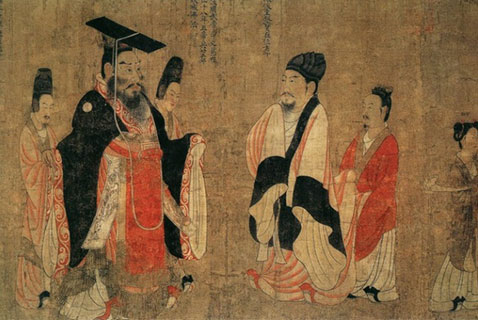
Picture Credits: CHINA COLLECTION
Seeing this, the King/Emperor Tang Taizang of China also led an army, but was defeated. After the death of King/Emperor Tang Taizong, his son, Tang Gaozong, along with Silla, attacked Goguryeo in 662 but failed. But as Yeon Gaesomun died in 666, Goguryeo weakened, and so, in 667, Tang-Silla invaded again, this time succeeding in capturing Goguryeo in 668. As they gained complete control over Goguryeo, Tang-Silla fought (ending their alliance) against each other, with Silla winning and gaining complete control over Goguryeo.
Baekje
Baekje was founded in 18 BC by Onji, who was the third Prince and son of the former founder of Goguryeo, a mighty State. During the 4th Century, under the reign of King Geunchogo, Baekje reached its peak. And through maritime contacts with the Southern Dynasties, Baekje adopted Chinese culture and technology.
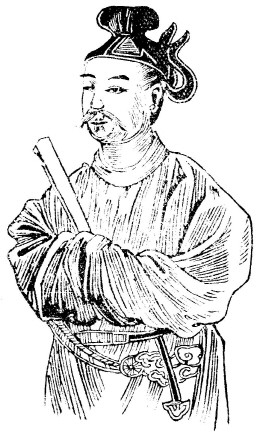
Picture Credits: WIKIPEDIA
It also merged many great states and most of western Korea States (including the present-day Jeolla, Hueanghae, Gangoon, Gyeonggi, and Chungcheong) into a centralized government. Baekje was a significant kingdom of the Korean peninsula that played an important role in cultural developments, including Chinese characters, iron production, Buddhism, Ceremonial Burial in Japan, and Advanced Pottery.
Being one of the most powerful states of the Korean Peninsula, it was defeated by the colonization of the Tang and Silla in 660. When the Baekje court retreated to Japan after conquering the Tang and the Silla, the cultural influences were transmitted. This cultural transmission played a significant role in shaping Japan’s cultural development during that period.

Picture Credits: WIKIMEDIA
Silla
Situated in the southeastern part of Korea, it is said that Silla began with the unification of the six chiefdoms of the Jinhan confederacy by Bak Hyeokgeose in 57 BC. Including the present-day Busan, Silla gained control over the sea by destroying the Japanese pirates.
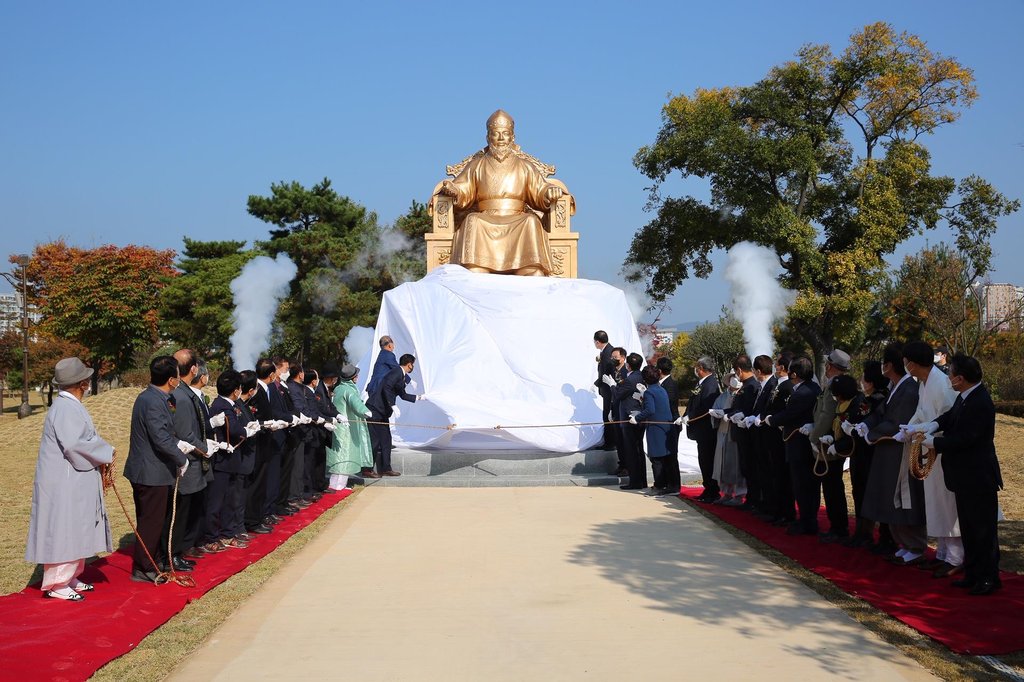
Picture Credits: YONHAP NEWS AGENCY
Silla expanded rapidly due to the occupation of the Nakdong River basin and the uniting of the city-states. Unique Gold metalwork was seen in Silla, which showed the influence of the Northern nomadic steppes and Iranian people, with less Chinese influence than that shown by Goguryeo and Baekje.
By the 2nd Century, Silla was a large state. Silla gained more power when it conquered the Gaya Confederacy in 562. Being smaller in comparison with Baekje and Goguryeo, Silla used to be cunningly diplomatic. In 660, King Muyeol of Silla, in alliance with the Tang, conquered and captured Baekje. In 661, they attacked Goguryeo, but lost and retreated. But in 667, they attacked Goguryeo and won.

Picture Credits: WIKIPEDIA
Gaya
Gaya was a small kingdom in Korea situated along the Nakdong River. Gaya’s plains were rich in iron, hence iron tools export and agricultural flourished. However, due to the three kingdoms surrounding it, it didn’t develop much, and as a result, Gaya was captured by Silla in 562 AD.

Picture Credits: WIKIPEDIA
Are you interested in Korean history? Do let us know in comments.


Informative 👏
This article is really good.It helped me a lot in understanding the Korean history
This is such a clear and informative overview of Korea’s Three Kingdoms! I love how it highlights not just the battles and politics but also the cultural and technological contributions of each kingdom. It really makes Korean history feel alive and easy to follow.
Such a well detailed breakdown of the Three Kingdoms era. I really liked how you explained each kingdom’s rise and fall, especially Goguryeo’s powerful expansion and Silla’s clever diplomacy. The connection between Baekje and Japan’s cultural exchange was also fascinating to read about. And yes, I’ve always been curious about Korean history ,this article just made me even more interested.
I loved how this article made ancient Korean history so vivid. It beautifully highlights how the kingdoms of Goguryeo, Baekje, and Silla weren’t just warriors and battles, but cradles of culture, diplomacy, and innovation.
This article is so informative to know about korea’s three kingdom not only about battles but also about their culture as well.
I didn’t know about some of these details — like how Goguryeo once stretched into Manchuria and how Baekje helped spread Buddhism and tech to Japan. Silla’s growth through diplomacy and its unique gold-work (less Chinese influence) surprised me. Reading this makes me want to dig deeper into the Three Kingdoms era — so important and rich culturally.
Woowww the article explains the Korean history in so detail is mesmerizing like it’s really take so much time and lots of research to write this article you must read a lot of books to writting this article as you gave so proper and detailed information ☺️ even with adding dates so good hats off to writer who did all this hardwork study to reasearch to write this so everyone can know about korean history.🫡🫡
This article really simplified and made me understand the Korean history in layman’s terms. Thank you for writing such a good article. It helped a lot learning how Korea was before and how it came to be as it is now in present.
This article made Korean history feel so engaging and easy to understand! The way it explained Goguryeo, Baekje, and Silla and their influence on Korea’s culture, politics, and identity was fascinating. I especially liked learning how their rivalries also led to growth in art, architecture, and trade. It’s impressive how much of modern Korea still reflects these ancient roots. A great read for anyone curious about Korea’s past.
Your article on the Three Kingdoms of Korea is truly impressive and beautifully written. You managed to explain such a complex and historical era with clarity, depth, and storytelling that keeps the reader fully engaged. It’s clear how much effort, research, and passion you put into every line. Writers like you inspire others to learn more, think deeper, and appreciate history in a new light. Keep going your work has the power to educate, motivate, and reach many more readers. This is just the beginning of your amazing writing journey! 🌟✍️📚
Beautiful article on the Three Kingdoms era of Korea — it really highlights how rich, powerful, and culturally advanced that period was. The way it explained the kingdom’s art, history, and achievements made the whole era feel alive. Really enjoyed reading it!
The Three Kingdoms period is truly one of the most fascinating chapters in Korean history! The rise and fall of Goguryeo, Baekje, and Silla—and how their cultures shaped Korea and even influenced Japan—is incredible. It’s amazing how diplomacy, warfare, and cultural exchange all shaped the peninsula’s identity.
Such a well-structured and informative article! The way you explained the origins, rise, and fall of Goguryeo, Baekje, and Silla made Korean history so easy to understand. Loved the smooth flow, clear details, and the depth of research. Amazing work by the writer and editor! 👏📚✨
This article clearly explains the Three Kingdoms era, and I especially enjoyed learning about Goguryeo’s expansion, Silla’s diplomacy, and Baekje’s cultural ties with Japann it made me even more curious about Korean history.
This article offers a concise yet informative overview of the Three Kingdoms period, clearly explaining the rise, conflicts, and cultural significance of Goguryeo, Baekje, and Silla. The historical flow is easy to follow, making it a great introductory read for anyone interested in early Korean history.
This is such a fantastic breakdown of the Three Kingdoms era! As someone currently studying Korean at an intermediate level, I find it fascinating to see where the name ‘Korea’ actually originated from Goguryeo (Goryeo). Understanding the distinction between Silla’s diplomacy and Baekje’s cultural exchange with Japan really helps put so many historical dramas into perspective. Thank you, Chhavi, for making such a complex era so easy to digest!”